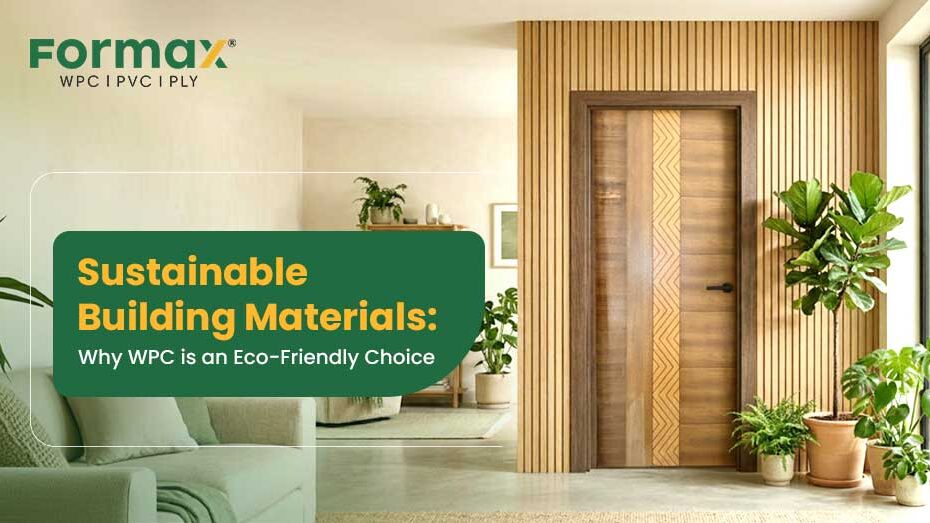
Sustainability has become a major focus in the construction industry, driving the adoption of eco-friendly materials like WPC (Wood Plastic Composite). As environmental concerns continue to rise, builders are shifting toward materials that reduce ecological impact without compromising performance.
WPC is manufactured using a combination of recycled wood fibers and plastic. This innovative composition not only enhances durability but also minimizes the need for virgin raw materials, making it an environmentally responsible choice.
One of the key environmental benefits of WPC is its role in reducing deforestation. By using recycled wood content, WPC decreases dependence on natural timber, helping preserve forests and biodiversity.
Another advantage is its recyclability. WPC products can often be reused or recycled, contributing to a circular economy. This reduces waste generation and promotes sustainable resource management.
WPC materials are also known for their long lifespan. Unlike traditional materials that may degrade quickly, WPC maintains its structural integrity over time. This reduces the need for frequent replacements, saving both resources and costs.
Energy efficiency is another important factor. The production process of WPC typically consumes less energy compared to conventional materials, resulting in a lower carbon footprint.
In addition to environmental benefits, WPC offers excellent performance. It is resistant to moisture, termites, and weather conditions, making it suitable for a wide range of applications including door frames, panels, and boards.
Using WPC in construction projects also supports green building certifications, which are increasingly important in modern architecture. It aligns with sustainability goals and enhances the overall value of a project.
In conclusion, WPC is a smart and sustainable choice for modern construction. It combines environmental responsibility with high performance, making it an ideal material for building a greener future.